

Frozen Embryo vs Fresh Embryo Transfer – Which Is Better?
One of the most important decisions during IVF treatment is choosing between fresh embryo transfer and frozen embryo transfer (FET). Both methods are safe and effective, but the right choice depends on your individual medical condition.
At Malti IVF Fertility Center, Nashik, our experts guide patients in selecting the best approach for maximum success.
Key Differences Between Fresh and Frozen Transfer
Fresh Embryo Transfer
- Done in the same cycle as egg retrieval
- Embryos are transferred within 3–5 days
- Suitable when hormone levels are stable
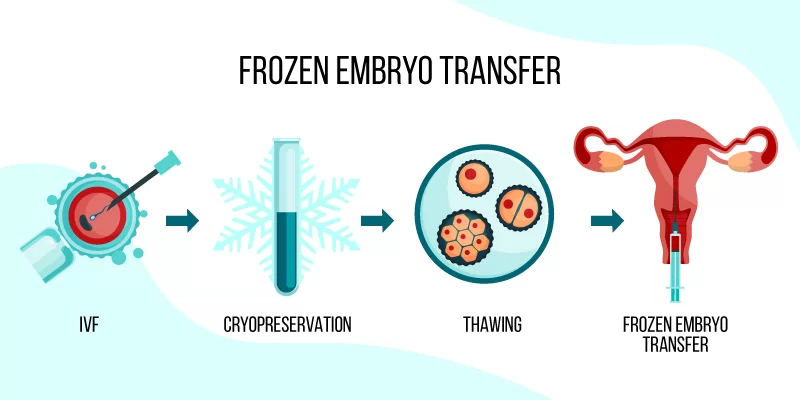
Frozen Embryo Transfer (FET)
- Embryos are frozen and transferred in a later cycle
- Gives the body time to recover
- Uterus is prepared in a more natural hormonal environment
Which Is Better?
There is no one-size-fits-all answer. However, studies show that FET often provides better implantation rates in many cases due to a healthier uterine environment.
FET is Preferred When:
- Hormone levels are high after stimulation
- Risk of OHSS (Ovarian Hyperstimulation Syndrome)
- Need for genetic testing (PGT)
- Uterine lining needs improvement
Fresh Transfer is Suitable When:
- Hormonal levels are balanced
- No risk of complications
- Embryo quality is optimal
Advantages of Frozen Embryo Transfer
- Higher implantation success in many cases
- Better uterine preparation
- Reduced risk of complications
- Flexibility in timing
- Option for multiple attempts without repeating IVF cycle